 Pallavi Saxena
May 4, 2026
1,435 views
10 min read
Pallavi Saxena
May 4, 2026
1,435 views
10 min read
In today’s fast-paced global economy, businesses are constantly striving to streamline operations, reduce costs, and deliver products faster. This is where the SAP Course in Supply Chain Management becomes a powerful career enabler for students and working professionals.
With organisations increasingly relying on digital tools to manage procurement, logistics, inventory, and production planning, SAP SCM skills are in high demand worldwide.
Pursuing an SAP Course not only equips you with technical expertise but also provides a strategic understanding of how supply chains function across industries. Whether you are a fresher exploring career opportunities or a professional aiming to upskill, SAP SCM offers a clear pathway to high-growth roles.
In this blog, we will explore SAP Supply Chain Management Details, syllabus, eligibility, career opportunities, and scope. This will further enable you to make an informed decision about entering this dynamic and rewarding field.
Why Choose SAP SCM as a Career?
Choosing SAP SCM as a career is not just about learning software—it’s about becoming a key contributor to business success. Companies today depend heavily on efficient supply chains, and SAP SCM professionals help ensure smooth operations from procurement to delivery. Moreover,
SAP SCM provides a standardised system that is used worldwide, making your skills transferable across countries and industries.
Additionally, the career offers stability, growth, and attractive salary packages. With digital transformation accelerating, organisations are investing heavily in ERP solutions like SAP. This means continuous demand for skilled professionals.
If you enjoy problem-solving, data analysis, and working in dynamic environments, SAP SCM can be a fulfilling and future-proof career choice.
SAP Supply Chain Management Details
The SAP Course in Supply Chain Management focuses on managing end-to-end supply chain processes using SAP software. It covers modules like procurement, inventory management, warehouse management, production planning, and logistics execution.
SAP SCM helps businesses optimise operations, reduce delays, and improve customer satisfaction. The course is designed to provide both theoretical knowledge and practical exposure through real-time projects.
Key Highlights
- Covers end-to-end supply chain lifecycle
- Hands-on training with SAP tools
- Industry-relevant case studies
- Integration with finance and operations
Rising Demand for SAP SCM Professionals

The demand for SAP SCM professionals is growing rapidly due to several factors:
1. Globalisation of Supply Chains
Businesses operate across borders, requiring efficient coordination and SAP systems to manage complexity.
2. Digital Transformation
Companies are adopting ERP solutions to automate processes and improve efficiency.
3. E-commerce Growth
Online businesses need robust supply chain systems to manage high volumes and quick deliveries.
4. Data-Driven Decision Making
SAP SCM enables real-time analytics, making professionals valuable for strategic planning.
5. Industry-Wide Adoption
From manufacturing to retail, every sector depends on supply chain optimisation.
6. SAP Supply Chain Management Eligibility
The SAP Supply Chain Management Eligibility criteria are flexible, making it accessible to a wide range of learners:
- Graduates from any stream (BBA, B.Com, B.Tech, etc.)
- MBA students (especially in Operations or Logistics)
- Working professionals in supply chain, logistics, or IT
- Freshers interested in ERP careers
No prior coding knowledge is required, but a basic understanding of business is helpful.
Eduwatts: No. 1 in SAP SCM Certificate Courses

Eduwatts has emerged as a trusted online education platform in professional training, especially in SAP certifications. Known for its industry-oriented curriculum and expert trainers, Eduwatts focuses on delivering practical knowledge that aligns with current market needs. The institute emphasises hands-on learning, ensuring students gain real-time exposure to SAP tools and processes. With a strong commitment to quality education, Eduwatts offers flexible learning options, making it convenient for both students and working professionals.
Their SAP SCM certification courses are designed to bridge the gap between theoretical knowledge and practical application. Learners benefit from live projects, case studies, and mentorship from experienced professionals. Eduwatts also provides career support, including resume building and interview preparation, helping students confidently step into the job market. With its learner-centric approach, Eduwatts continues to be a preferred choice for SAP SCM training.
SAP SCM Course
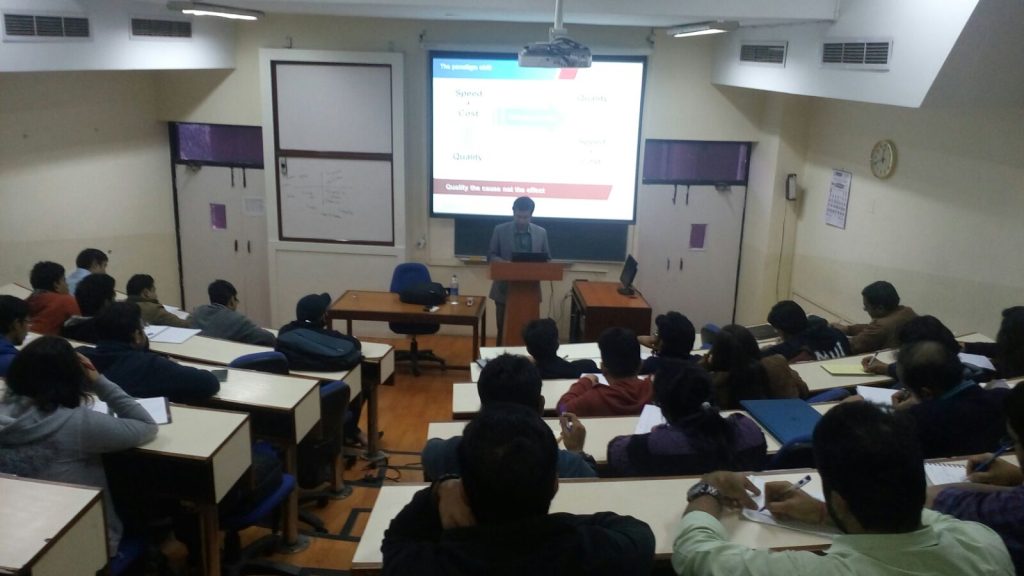
The SAP SCM Course is a comprehensive program designed to equip learners with essential supply chain skills. It covers key modules like procurement, inventory management, warehouse operations, and production planning.
The syllabus includes both foundational concepts and advanced topics such as SAP S/4HANA and real-time analytics. The SAP SCM Course structure ensures a balance between theory and practical application through case studies and live projects.
Eligibility is open to graduates, MBA students, and working professionals, making it accessible to a diverse audience. No prior SAP experience is required, making it beginner-friendly.
Learning Benefits
- Hands-on SAP training
- Real-world case studies
- Expert mentorship
Career Benefits
- High-demand skillset
- Global job opportunities
- Career growth potential
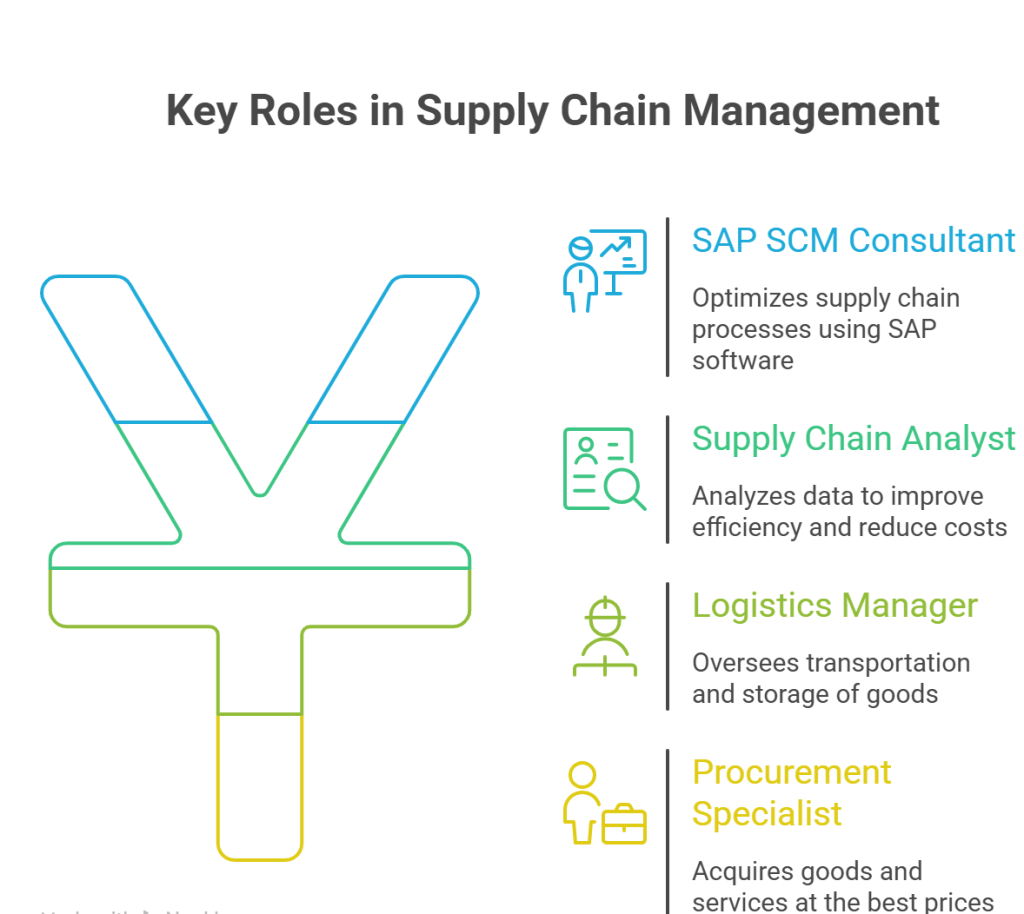
Top Job Roles
- SAP SCM Consultant
- Supply Chain Analyst
- Logistics Manager
- Procurement Specialist
SAP Finance Supply Chain Management Course
This integrated course combines finance and supply chain management, providing a holistic understanding of business operations. It includes modules like financial accounting, procurement, inventory management, and logistics.
The SAP Finance Supply Chain Management Course syllabus focuses on how finance and supply chain functions interact within SAP Systems, making it ideal for professionals aiming for cross-functional roles. Eligibility includes graduates and professionals from finance, operations, or IT backgrounds.
Learning Benefits
- Dual expertise in finance and SCM
- Better understanding of business processes
- Enhanced analytical skills
- Broader job opportunities
- Higher salary potential
- Cross-functional roles
Career Benefits
- Broader job opportunities
- Higher salary potential
- Cross-functional roles
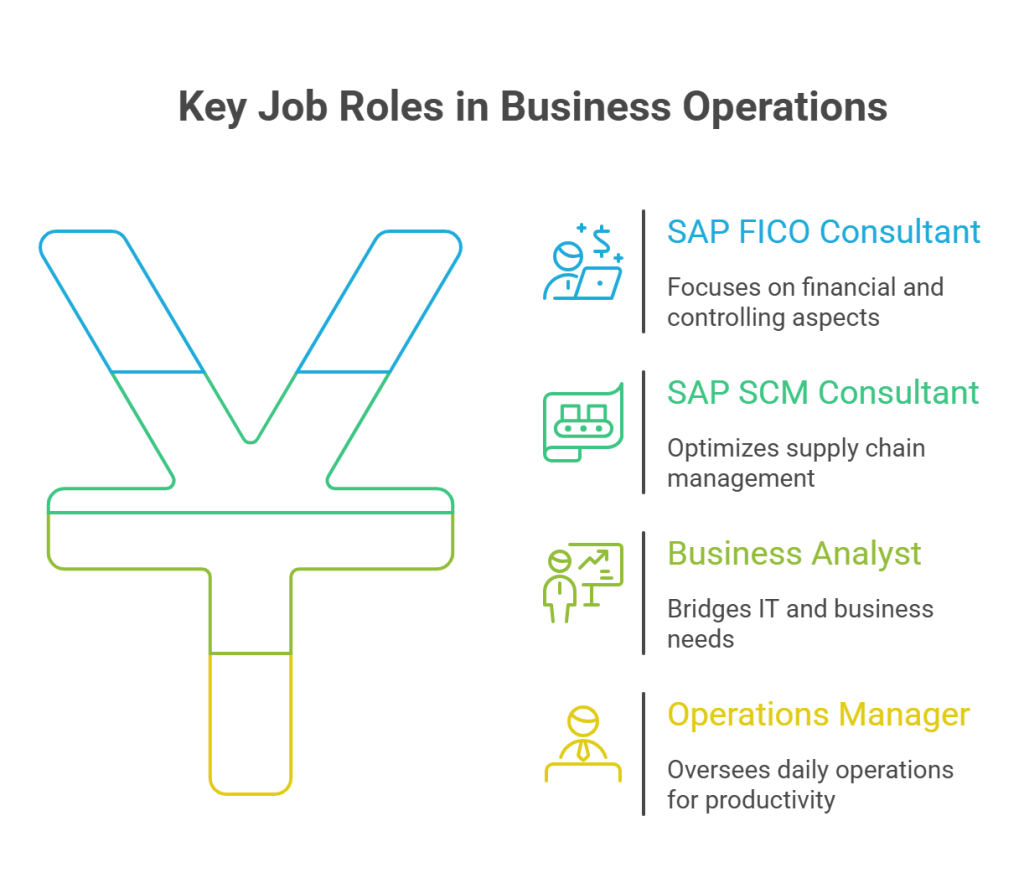
Top Job Roles
- SAP FICO Consultant
- SAP SCM Consultant
- Business Analyst
- Operations Manager
How is SAP SCM a Gateway for Global Supply Chain Roles?
- Provides globally recognised skills used by multinational companies
- Enables understanding of international logistics and procurement
- Opens opportunities in global supply chain networks
- Enhances the ability to manage cross-border operations
- Prepares professionals for roles in global enterprises
- Offers exposure to real-time global case studies
- Builds expertise in handling complex supply chains
SAP Supply Chain Management Career
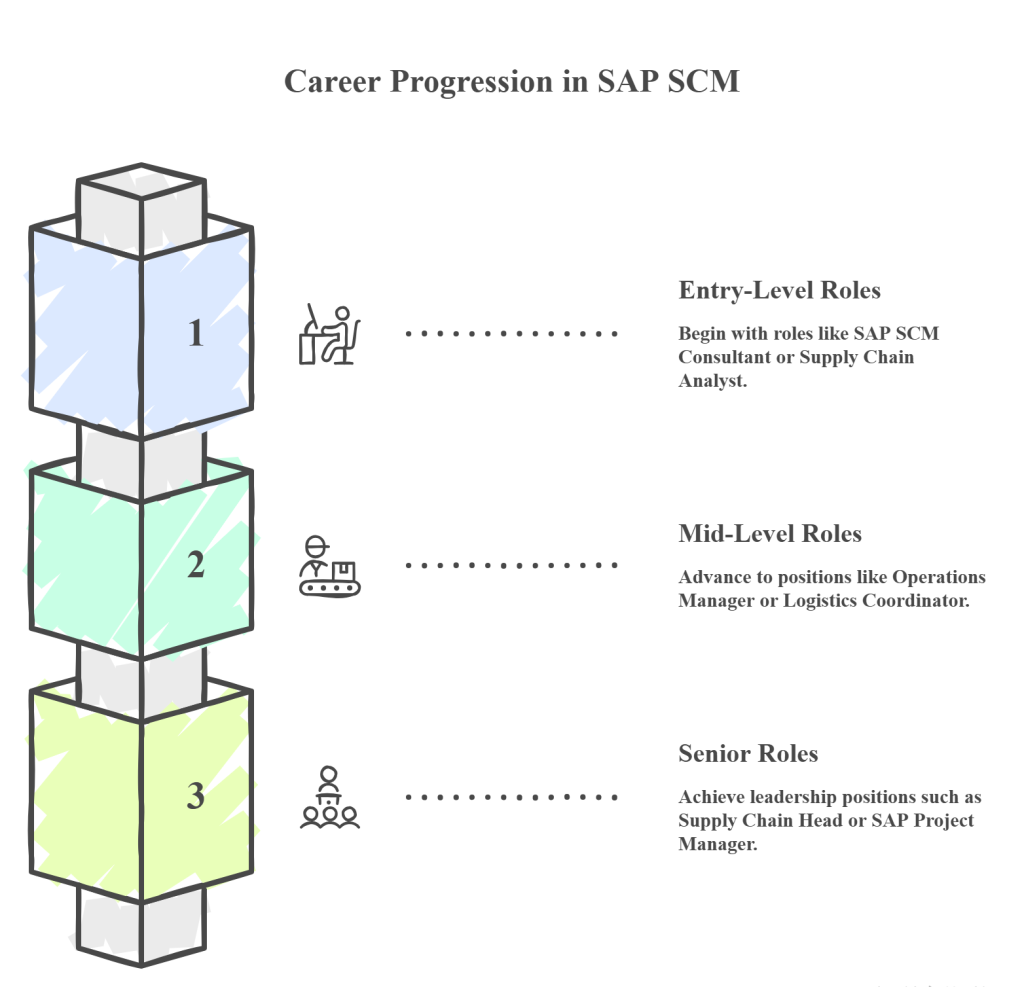
A career in SAP SCM offers diverse opportunities across industries. Professionals can work in roles such as:
- SAP SCM Consultant
- Supply Chain Analyst
- Operations Manager
- Logistics Coordinator
- Procurement Manager
With experience, professionals can move into senior roles like Supply Chain Head or SAP Project Manager.
SAP Supply Chain Management Scope

The SAP Supply Chain Management Scope is vast and continuously expanding. As businesses focus on efficiency and cost optimisation, SAP SCM professionals play a crucial role in driving growth. Industries like manufacturing, retail, healthcare, and e-commerce are actively hiring SAP experts. The integration of AI and analytics in SAP systems further increases its scope.
Future Scope of SAP SCM in India
The future of SAP SCM in India looks highly promising, driven by rapid industrial growth and digital transformation. Companies are investing heavily in ERP systems to improve efficiency and competitiveness. With initiatives like “Make in India” and the rise of e-commerce, the demand for supply chain professionals is increasing significantly. SAP SCM experts are needed to manage complex logistics and optimise operations.
Career growth in this field is substantial, with professionals moving from entry-level roles to managerial and leadership positions. Salary growth is also impressive, with experienced consultants earning competitive packages. As businesses continue to expand globally, SAP SCM professionals will remain in high demand, making it a secure and rewarding career choice.
Learning Benefits of the SAP SCM
- Industry-relevant curriculum
- Hands-on practical training
- Real-time project exposure
- Global certification
- Flexible learning options
Career Benefits of SAP SCM
- High salary potential
- Global job opportunities
- Career stability
- Opportunities across industries
- Continuous learning and growth
Conclusion
The SAP Course in Supply Chain Management is more than just a certification—it’s a gateway to a thriving global career. With businesses increasingly relying on efficient supply chains, the demand for skilled SAP SCM professionals continues to rise. This course equips learners with both technical expertise and strategic insights, making them valuable assets to organisations worldwide.
From understanding core supply chain processes to mastering advanced SAP tools, the journey offers immense learning and growth opportunities. Whether you are a student exploring career options or a professional aiming to upskill, SAP SCM provides a clear path to success. With strong career prospects, attractive salaries, and global opportunities, investing in SAP SCM training can be a life-changing decision. Start your journey today and become a part of the future of supply chain management.
Recommended Reads
- SAP FICO Course Fees Breakdown Across Popular Cities
- 10 Best Institutes for SAP Training in India
- Top 10 SAP Training Institutes in Kolkata for Career Growth in 2025
- SAP Course Fees & Certification Costs in India
- Top SAP Modules for a High-Paying Career in 2027
FAQs
Q1. What is the SAP Course in Supply Chain Management?
Ans. It is a professional course that teaches how to manage supply chain processes using SAP software. It includes modules like procurement, inventory, logistics, and production planning. The course combines theoretical knowledge with practical training, preparing learners for real-world challenges. It is ideal for students and professionals aiming for careers in supply chain and ERP systems.
Q2. Who can enrol in SAP SCM Courses?
Ans. Anyone with a graduation degree can enrol in SAP SCM courses. It is suitable for students, MBA graduates, and working professionals in logistics, operations, or IT. Even freshers can join, as no prior SAP experience is required. Basic business knowledge and interest in supply chain processes are helpful for a better understanding.
Q3. What is the duration of SAP SCM courses?
Ans. The duration typically ranges from 2 to 6 months, depending on the course structure and learning mode. Some institutes offer fast-track programs, while others provide detailed training with projects. Flexible options like weekend or online classes make it easier for working professionals to complete the course without disrupting their schedules.
Q4. What are the job opportunities after SAP SCM?
Ans. After completing SAP SCM, you can work as a consultant, analyst, logistics manager, or procurement specialist. Industries like manufacturing, retail, and e-commerce actively hire SAP professionals. With experience, you can move into senior roles such as project manager or supply chain head, offering excellent career growth and stability.
Q5. Is SAP SCM a good career choice?
Ans. Yes, SAP SCM is a highly rewarding career choice due to its global demand and growth opportunities. Companies rely on efficient supply chains, making skilled professionals essential. The career offers high salaries, job stability, and opportunities to work with multinational organisations, making it a future-proof option.
General Questions
Q6. What skills are required for SAP SCM?
Ans. Key skills include analytical thinking, problem-solving, and an understanding of business processes. Knowledge of logistics, procurement, and inventory management is beneficial. Communication skills and the ability to work with data are also important. Technical training in SAP tools enhances your ability to perform effectively in real-world scenarios.
Q7. What is the salary of SAP SCM professionals?
Ans. Salaries vary based on experience and role. Freshers can earn competitive entry-level packages, while experienced professionals earn significantly higher salaries. SAP consultants with expertise and certifications can command premium pay. The demand for skilled professionals ensures steady salary growth over time.
Q8. Can I learn SAP SCM online?
Ans. Yes, many institutes offer online SAP SCM courses with live training sessions, recorded lectures, and practical projects. Online learning provides flexibility, allowing students and professionals to learn at their own pace. It is a convenient option for those who cannot attend classroom training.
Q9. What industries hire SAP SCM professionals?
Ans. Industries like manufacturing, retail, healthcare, logistics, and e-commerce hire SAP SCM professionals. Any organisation that manages supply chains requires SAP expertise. The versatility of the skill ensures opportunities across multiple sectors, making it a highly valuable career option.
Q10. What is the future of SAP SCM?
Ans. The future of SAP SCM is bright, with increasing adoption of digital technologies and automation. Integration with AI and analytics is enhancing its capabilities. As businesses expand globally, the need for efficient supply chain management will continue to grow, ensuring long-term career opportunities for professionals.
Ready to Start Your Learning Journey?
Join thousands of learners and build your future with expert-led courses and 100% practical training.

Pallavi Saxena
With more than 15 years of experience, I dedicatedly writing informative content for my audience. With extensive experience in content writing and digital publishing, I specialize in creating informative, engaging, and industry-focused content that helps readers make informed career and business decisions. My expertise includes developing high-quality content on foreign language learning, global career opportunities, ERP solutions and enterprise technologies. By staying updated with emerging trends, technological advancements, and industry best practices, I craft content that educates, inspires, and delivers lasting value to readers across diverse sectors.
View all articles

Recent Comments (14)
The ability to unlock a suppressor on one pistol managed this article luck in SAP SCM eligibility and career growth. Thank you for providing such great information.
This blog gives an easier view of SAP SCM concepts than I thought. Well Done – sharing full and practical Information
I really like how clearly the course description and syllabus are presented here. Very useful for SAP aspirants.
Beginner friendly tutorial about SAP SCM. It is extremely useful for students making a career in SAP.
Exceptional content for learners focusing to step into the SAP supply chain area. The information is relatable and digestible.
Great post and very necessary information with insights about SAP Supply Chain Management This is the simple, practical breakdown of the syllabus.
This is a very well written and easy to follow article. Provides an overview of the SAP SCM course details and scope.
SAP Supply Chain Management career and concepts are well outlined Best suitable for freshers as well as professionals.
Useful for anyone interested in supply chain and running the SAP careers. The eligibility and structure of course are described in detail.
This blog gives a central overview of SAP Supply Chain Management without unnecessary complication. It is an excellent read and extremely informative.
Informative Blog
Excellent details related to SAP SCM courses and career opportunities. The career scope part served as a guide for planning forward.
I appreciated how the syllabus, eligibility and career scope are combined in a single piece. This made SAP SCM simple for beginners to understand.
This guide covers everything with the SAP Supply Chain Management course in a simple way! Good for students and working professionals in shaping an insightful career.