 Pallavi Saxena
Jul 27, 2026
2,327 views
14 min read
Pallavi Saxena
Jul 27, 2026
2,327 views
14 min read
With a history spanning more than 5,000 years, China has developed a unique and engaging Chinese culture. Chinese traditions, customs, arts, and festivals are appreciated by millions of people across the world. People are influenced by Chinese Culture, traditional food, clothing and lifestyle. They enjoy Chinese festivals. From Confucius to Chinese New Year, every aspect depicts harmony and family values.
Learning about the Chinese Langauge and understanding Chinese culture is more than understanding a country’s history. It is about appreciating the Chinese culture, religion and traditional values. This further grooms and shapes Chinese daily life, business etiquette, education and healthy relationships. Whether you aim to visit Chinese-speaking countries or learn Mandarin Chinese for career growth, mastering Chinese is key to success. Furthermore, understanding Chinese culture will help you connect with people both professionally and personally.
In this beginner-friendly guide, we’ll explore Chinese Culture, Chinese Religion, Chinese festivals, Chinese Traditions, food and more. We will understand the significance of learning the Chinese language. How learning Chinese will enable you to understand Chinese culture better and make Chinese festivals enjoyable.
What is Chinese Culture?
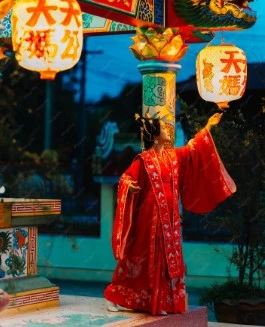
Chinese culture is one of the world’s oldest and richest spiritual treasure houses. It carries the inheritance of values, beliefs, customs, arts, language and food in Chinese society for millennia. Booming into modern experience, Chinese culture is basically respectful towards older people. The culture bonds around family values, education, discipline and harmony between individuals & nature. Everyday life still actively involves practices like the tea ceremony, calligraphy, martial arts and festivals. China is known for its rapid modernisation. The country has also remarkably preserved its culture and traditions to revive people throughout the world.
Chinese Civilisation Culture
It is one of the oldest continuous civilisations in human history, originating more than 5,000 years ago. Chinese Civilisation started in the rich lands of the Yellow River, which gave birth to some of the 1st agricultural civilisations, written language and systematised societies. China was home to major inventions such as paper and printing, gunpowder, and the compass, which changed the course of civilisation all over the world. While being influenced and modified by various aspects of the world, Chinese civilisation culture as a whole has maintained its core values. You can observe the history of China through successes and failures of millennia-long junctures of political and social upheaval.
Why Understanding Chinese Culture Matters?
Understanding Chinese Culture is significant for various personal and professional reasons such as:
- Better Communication
Understanding Chinese customs and traditions facilitates better communication with Chinese colleagues, friends and clients.
- Career Opportunities
Mastering the Chinese language and having great knowledge of Chinese culture is required in international trade, technology, tourism, education and business.
- Travel Experience
As a traveller, you will have happy and enjoyable experiences when you travel in Chinese-speaking countries. You will easily communicate with local people and enjoy your visit.
- Cultural Appreciation
Through the study of Chinese festivals, religion, art and history, you will understand one of the oldest civilisations in human history.
- Personal Growth
Understanding another culture broadens the perspective of diversity, respect for diversity and global awareness.
Chinese Religion
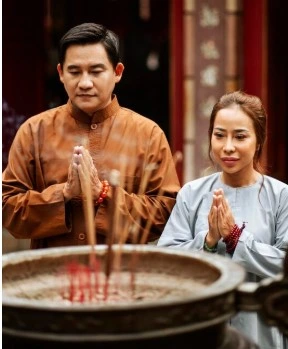
Unlike the rest of the world’s religions, Chinese Religion does not follow a single faith but is formed by an amalgamation of multiple religious beliefs & philosophical traditions. Many Chinese people simultaneously practice aspects of Confucianism, Taoism, Buddhism and traditional folk religions according to their own beliefs and family customs.
Chinese Traditions emphasise a moral life, honouring ancestors, living in harmony with nature, and being kind and compassionate. During religious rituals, people visit temples and pray, burn incense for health, wealth and family well-being. It emphasises moral living, tranquillity of spirit, and reverence for customs rather than any rigid adherence to religious precepts, making it one of the key components of social and spiritual legacy in China.
Confucianism: The Pillar of China
Inspired by the philosopher Confucius, Confucianism has profoundly shaped Chinese society and continues to influence life. Moreover, Confucianism says honesty, kindness to your fellow human being and humility as key virtues that we should cultivate for our entire life. These religious values are evident in Chinese families, schools, workplaces and government institutions, which is what makes this component of Confucianism one of the most staunch tenets of Chinese culture alongside social harmony.
Taoism (Daoism)
Tao-Daoism is an ancient Chinese idea that teaches people to live in harmony with nature and go along with the natural flow of life –the Tao (The Way) or Dao. It teaches simplicity, patience, humility and balance in daily life. Even now, Taoism is a source of inspiration to many who wish to relieve stress, enjoy nature and find balance between work, relationships and well-being.
Buddhism in China
Two thousand years ago, Buddhism came to China from India. It creates awareness for compassionate behaviour, a wise thought process, mindful living, and the practice of inner peace through moral footing and meditation. Stunning Buddhist temples throughout China still draw temple-goers and tourists wanting prayer and peace. Buddhism remains a vital part of Chinese society, and festivals, prayers and charitable work. Buddhist beliefs motivate people to perform acts of benevolence, compassion, almsgiving and respect for every sentient being.
Ancestor Worship
Worshipping ancestors is one of the most ancient and honoured Chinese customs that demonstrates great significance in the family as well as an expression of gratitude for what they had. It is thought that honouring one’s ancestors brings blessings, protection, and good fortune to families. On the Qingming festival, relatives go to their ancestors’ tombs to clean them and pay respect by placing flowers or burning incense, along with offering symbolic foods. By keeping these customs, Chinese families are not only connecting with their ancestors but also teaching the younger generations the values of family history and respect. Moreover, a continuity to chinese traditions and culture.
Chinese Festivals
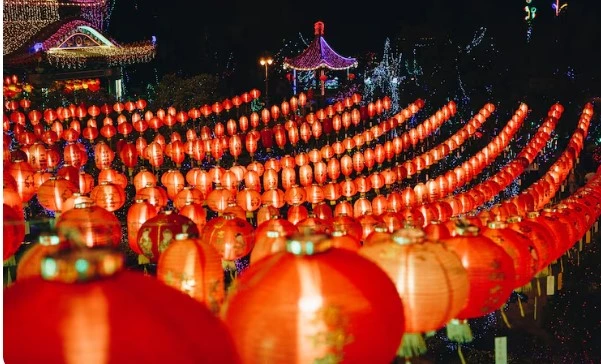
Chinese festivals are the essence of Chinese culture, which epitomises its history, tradition and dreams, bringing family and people together. Major traditional festivals are observed according to the Chinese lunar calendar, featuring elaborate customs such as ritual feasting, symbolic decorations and cultural performances. They are often expressions of wealth, contentment, and togetherness. Chinese Festivals also offer respect to ancestors, boost family ties and transfer cultural beliefs of the older generations to the younger ones.
Chinese festivals encourage gratitude, respect for elders, unity, generosity and wishes for a prosperous year ahead. This is where traditional music, dance, clothes, calligraphy and regional cuisines are showcased, providing an experience to younger generations. Chinese festivals are celebrated worldwide today, and help non-Chinese to appreciate the elegance of Chinese traditions and promote cross-cultural integration, mutual understanding and global harmony.
Significance of Chinese Festivals
Chinese festivals are not just celebrations and family get-togethers but living expressions of both China’s Rich History and Cultural Identity. These festivals unite families by bringing ancestors together for meals, prayers and celebration. Chinese festivals preserve heritage from generation to generation. In addition to this, they also promote the values of gratitude, respect for elders and generosity. During these celebrations, youth also have the chance to engage with their tradition through traditional music and dance performances, clothing, calligraphy and regional specialities. Chinese festivals are being celebrated globally today, making the world appreciate the diversity of Chinese culture and promoting global harmony.
Chinese New Year (Spring Festival)
It is the most important and widely celebrated festival in China. The festival is the marks the beginning of the lunar new year and symbolises new beginnings, prosperity, and good fortune. Fireworks, dragon dances, lion dances, and the exchange of red envelopes filled with money add excitement to the celebrations. Lasting for fifteen days, the Chinese New Year beautifully reflects the values of family unity, gratitude, and hope for a prosperous year ahead.
Lantern Festival
The Lantern Festival marks the grand conclusion of the Chinese New Year celebrations and falls on the fifteenth day of the first lunar month. Streets, parks, and temples are decorated with colourful lanterns of various shapes and sizes, creating a happy and festive atmosphere. Families and friends gather to admire the lantern displays, enjoy lantern riddles, and enjoy cultural performances such as dragon dances and folk music. A traditional delicacy called Tangyuan, sweet glutinous rice balls filled with sesame or peanut paste, is enjoyed during the festival as a symbol of family togetherness and happiness.
Dragon Boat Festival
The Dragon Boat Festival, or Duanwu Festival, which falls on the fifth day of the fifth lunar month, is a traditional Chinese festival. This tradition has been traced in China for years, and even today. Families also make and eat zongzi, which is a glutinous rice dumpling wrapped in bamboo leaves during the festival. Traditional festival meals will be shared to enjoy thrilling dragon boat races in China and around the world. The Dragon Boat Festival games are a manifestation in sports and culture of loyalty, courage, patriotism, and community spirit.
Mid-Autumn Festival
One of the major family festivals in China is the Mid-Autumn Festival, also known as the Moon Festival. Celebrated on the 15th day of the eighth lunar month, it falls on the full moon day, a time when fullness and wholeness symbolise togetherness and wealth. In the evening, families get together to gaze at the bright moon, to tell stories and to light their lanterns and eat mooncakes, which are a speciality of this festival. Festival culture is, in short, more a symbol of family reunion, thanksgiving and the integration of happiness, which makes it one of the most profound traditional Chinese customs.
Qingming Festival
It is a festival where your ancestors’ graves are cleaned and maintained, much like an old tradition of China also called Tomb Sweeping Day. In this festival, relatives go to visit their beloved ones’ graves and clean tombstones, bring new flowers for the grave, burn incense and prepare symbolic foods as worship. It’s the time to pay homage, give thanks and teach the younger generations about the significance of this festival.
| Festival | Traditional Food | Symbolism |
| Chinese New Year | Dumplings | Wealth and prosperity |
| Lantern Festival | Tangyuan | Family unity |
| Dragon Boat Festival | Zongzi | Loyalty and remembrance |
| Mid-Autumn Festival | Mooncakes | Reunion and happiness |
| Qingming Festival | Green rice balls | Respect for ancestors |
Chinese Traditions
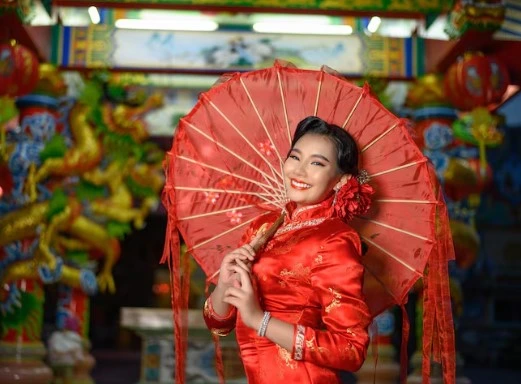
Chinese traditions are founded on universal moral values that compel one to lead a life of dignity, duty and benevolence. Key attributes of good character as embodied by these traits include respect for elders, loyalty to family, honesty, humility and hard work. You are highly reviewed and trained along with harmony and cooperation amongst them to boost the mood of maintaining peaceful relations among people in their communities. Festivals, family gatherings and cultural sessions are traditional customs passed from generation to the next. These moral values still serve as a guiding principle for every day lives of the people in China and thus also form an important part of Chinese identity.
Chinese Language and Culture
Chinese Language and culture are intertwined. Mandarin Chinese is the most spoken language worldwide and is official in China. Having a basic knowledge of Mandarin aids learners in comprehending the rich traditional context, literature, philosophy and customs. A lot of cultural expressions, idioms, or historical references could be really enjoyed only through the language itself.
Learning Mandarin can also lead to opportunities in business, education, tourism, diplomatic relations and cultural exchange.
Eduwatts: No.1 Online Platform for Chinese Language Learning

Eduwatts has established itself as a trusted online learning platform for students and professionals seeking practical language learning. The institute focuses on delivering industry-oriented langauge courses through experienced trainers, live online classes, flexible schedules, and interactive learning methods. Its Mandarin language Courses are designed to help learners build strong speaking, listening, reading, and writing skills. Online Mandarin Language classes enable you to boost your language skills, and soon you will start speaking in Mandarin confidently and fluently. Master Mandarin while gaining confidence in real-life communication.
One of its most popular offerings is the Mandarin Language Course – HSK1 Level, which is ideal for beginners. The course focuses on Mandarin vocabulary, basic grammar, everyday conversations, pronunciation, and Chinese characters, preparing students for the internationally recognised HSK Level 1 examination. With structured lessons, practice exercises, and learner support, Eduwatts provides an accessible pathway for learners to master Mandarin Chinese for higher education, career advancement, travel, or personal enrichment.
Shaolin Chinese Language School: Top Institute for Mandarin Chinese Language Courses
Shaolin Chinese Language School is famous for its focus on Mandarin Chinese teaching, providing courses for beginners, intermediate, and advanced learners. The institute provides experienced trainers coupled with effective teaching strategies designed to help students acquire proficiency in speaking, reading, writing and listening. Our Mandarin Language Course covers aspects such as pronunciation, vocabulary, grammar, conversation practice and Chinese characters while also familiarising students with Chinese culture and traditions. Interactive activities in the classroom, communicative practice in real-life situations and personal support give learners the confidence to use Mandarin in academic, professional, and travel contexts.
Shaolin Chinese Language School offers a structured curriculum that will help students learn and progress. The institute combines Mandarin Language learning with cultural education and delivers a solid foundation for mastering Mandarin.
Benefits of Learning Mandarin Chinese
- Understand Chinese Culture Deeply
Mandarin is so closely tied to the history, customs and values of China. With exposure to this language, you slowly realise the importance of values like respect, harmony, family values and social etiquette that build up the Chinese culture.
- Makes Chinese Festivals Meaningful
When you learn Mandarin, learning about some of the most interesting Chinese festivals such as Chinese New Year, the Lantern Festival, and festivals like Dragon Boat or Mid-Autumn will always create perfect synergy between your language skills and cultural knowledge. Identify conventional salutations, holiday tunes, and traditional uses at festivals.
- Appreciation for Chinese Traditions and Daily Life
The various traditions and etiquette inside families in China that make up the words and phrases you learn whilst studying a language. Being able to ensure that one respects elders, comprehends food etiquette, presents, and family traditions, which are all taught by native speakers, can help make it a lot simpler for you.
- Global Career and Culture Exposure
Learning Chinese allows you to learn the culture at the same time, giving you an upper hand in international careers. Additionally, it aids students, professionals, entrepreneurs and travellers to develop better relationships with Chinese communities, which makes cross-cultural communication more effective and fruitful.
Conclusion
The uniqueness of Chinese culture has been shaped over thousands of years, and yet it continues to be meaningful in the contemporary world through history, philosophy, traditions, religion, art and family. The wisdom of Taoism, festival traditions and even family customs are all aspects of Chinese life that reflect harmony, respect for the elderly and community here in America dot. Moreover, understanding Chinese Civilisation culture is important for us to understand one of the oldest and most influential civilisations in the world. No matter whether you plan to travel to China, pursue higher education, look for top job opportunities in Chinese-speaking countries or just want to understand Chinese culture, learning the Chinese language will definitely fulfil your dreams and achieve your goals.
Reference Read
- How to Learn Chinese Language Easily? 11 Easy Tips
- Most Spoken Language in the World: Facts, Rankings & Native Speakers
- How to Learn a New Language Online: A Complete Guide
- 9 Best Languages to Learn in the Upcoming Years for Your Career Growth
- Mastery Mandarin: Inchin Closer Institute Vs Henry Harvin
FAQs
Ans. Chinese culture is a blend of China’s traditions, customs, art, cuisine, festivals, and values developed over more than 5,000 years. It focuses on family values, respect for elders, education, harmony, and community.
Ans. Chinese religions and Chinese philosophies are major sectors of Chinese history. This includes Confucianism, Taoism, Buddhism, Chinese folk religion, Christianity and Islam.
Ans. The most popular Chinese festivals are Chinese New Year (Spring Festival), Lantern Festival, Dragon Boat Festival, Mid-Autumn Festival, and Qingming Festival. These celebrations focus on family reunions, cultural traditions, gratitude, and honouring ancestors.
Ans. Learning Chinese culture enhances cross-cultural communication, experiencing better travels in China, and facilitates international business cooperation. This helps understand one of the oldest and most influential civilisations worldwide.
Ans. A beginner-friendly course such as the Mandarin Chinese Course HSK Level 1 is perfect for learning basic vocabulary, pronunciation, grammar, everyday conversations as well as finally building up your knowledge of how to read and write and use Chinese characters.
Ready to Start Your Learning Journey?
Join thousands of learners and build your future with expert-led courses and 100% practical training.

Pallavi Saxena
With more than 15 years of experience, I dedicatedly writing informative content for my audience. With extensive experience in content writing and digital publishing, I specialize in creating informative, engaging, and industry-focused content that helps readers make informed career and business decisions. My expertise includes developing high-quality content on foreign language learning, global career opportunities, ERP solutions and enterprise technologies. By staying updated with emerging trends, technological advancements, and industry best practices, I craft content that educates, inspires, and delivers lasting value to readers across diverse sectors.
View all articles


Recent Comments (15)
Informative and engaging content! This article is a good introductory base for those who want to know more about Chinese culture and traditions, as well as the values behind them.
Very nice article showcasing the diversity of Chinese culture. Considering how history and traditions continue to hold sway over modern Chinese society.
This blog was a good introduction into just some aspects of Chinese culture and its different traditions. Thanks for the attempt to distill complex cultural ideas into an easy-to-read format.
A nice article, with lots of insights into Chinese heritage and way of life. The writing educates and entertains its readers, all while prompting them to discover more about China.
Loved reading this blog! This book provides a legitimate insight into Chinese culture that would help readers understand the tradition for generations.
A valuable resource for portraying the beauty and diversity of Chinese everything. The article describes basic cultural points in a very clear and appealing way.
This very article is helpful and interesting. It is very useful for students and people who want to learn about other countries, because it has simple language with organized information.
Great work! The blog offers a rounded view of Chinese culture that piques the reader’s interest for more information about China’s history and customs.
A very well written blog that brings the readers to thaiabali’s amazing world of Chinese culture. This article also becomes very useful because of all the little details about customs and traditions.
This article taught me a lot about Chinese culture. I really liked that piece on the links between traditions, beliefs and everyday life.
Anyway, its a nice effort to create this informative article so really appreciate it. Lots of Chinese culture has a long history; this blog handles so much in such an interesting manner.
One of the best articles for a beginner who wants to know about Chinese traditions and lifestyle. With a stable, easy to follow format that makes you want to read on.
This is a good blog as it helps to enable you clearly the image of Chinese culture and its importance. The content is substantive and informative for anyone interested in studying about China.
This was a wonderful read! Chinese culture is very profound, and this article illustrates the uniqueness of it so well. We found the explanation of customs and traditions in very fascinating.
Very good article about Chinese Culture I enjoyed the simplicity of how they are able to explain traditions, values, and historical bits here. Nice job breaking it down into digestible form.